
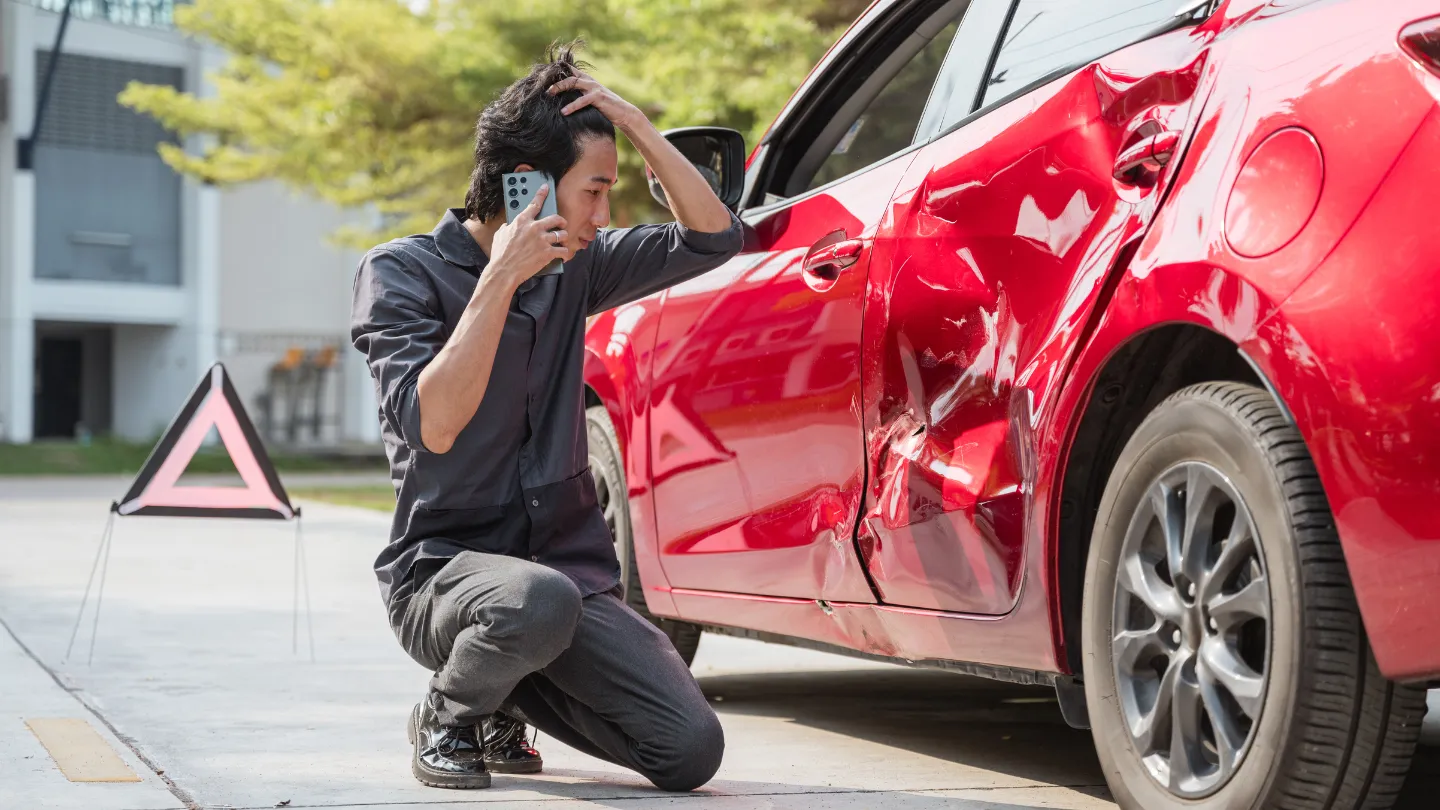
If you’ve driven a Minnesota highway at dusk in October, you already know: deer move fast, they appear out of nowhere, and a strike can do thousands of dollars in damage in a fraction of a second. Minnesota averages more than 2,000 reported deer-vehicle collisions every year, with cases peaking from October through November during the rut. Knowing what to do in the first ten minutes (and the first ten days) makes the difference between a smooth repair and a months-long headache.
Why Deer Collisions Are So Common in Minnesota
Minnesota’s mix of farmland, forest edges, and well-traveled rural highways creates ideal conditions for deer activity right alongside fast-moving traffic. Deer are most active around dawn and dusk, and the fall mating season pushes them into roadways more than any other time of year. Minnesota consistently ranks in the top tier of states for deer-vehicle collisions per driver.
The good news: most deer strikes happen at moderate speeds, and modern crumple zones and airbag systems do their job well. The bad news: even a glancing hit can cost five figures to repair, especially on newer vehicles loaded with sensors and aluminum body panels.
What to Do in the First Ten Minutes
If you can safely move your car off the road, do so, then turn on your hazard lights. Call 911 or the local sheriff and ask for a deer-strike report; that paperwork is what your insurance company will need. Take photos of the damage, the deer, and the scene from several angles. Do not approach an injured deer, no matter how hurt it looks; they can deliver a dangerous kick.
One important detail many drivers miss: in most policies, deer collisions fall under comprehensive coverage, not collision. That means a different (often lower) deductible and, in many cases, no impact on your premium. Confirm this with your insurer before you assume the worst.
The Hidden Damage You Can’t See
Even when a deer strike looks like nothing more than a crushed bumper and a smashed grille, the damage often runs deeper. Common hidden issues include a bent radiator support, a punctured radiator or condenser, deployed airbag sensors, hood-alignment problems, and damaged camera or radar modules behind the bumper. Driving the car for "just a few more days" can turn a contained repair into a coolant leak or overheating event.
Get a written estimate from a body shop you trust, not just from the insurance adjuster’s photo app. A trained estimator pulls the cover, looks behind the panel, and checks the actual structure.
Conclusion
Deer strikes are part of life in Minnesota, but they don’t have to drag on for weeks. Quick reporting, good photos, the right insurance category, and a body shop that’s seen this damage hundreds of times will get you back on the road faster.
Best Auto Body in Blaine handles deer-collision repairs every fall and works directly with all major insurance carriers, including coordinating supplements and coverage questions. Call (612) 272-7822 or visit bestautobodyllc.com to start a claim or schedule an inspection.